


 Newsletter
Historically known as Ceylon, Sri Lanka is a popular year-round South Asian destination. But to enjoy the activities you look forward to doing, timing matters.
Sri Lanka’s weather is shaped by two monsoon systems and major regional differences. This means there’s no single best month for the whole country. Instead, the best time to visit Sri Lanka depends on where you plan to go and what you want to do. Beach holidays, wildlife safaris, cultural sightseeing, and hiking all peak at different times.
With the help of Click and Trip, your reliable online travel agency, and some smart planning, you can enjoy Sri Lanka in almost any month.
Understanding Sri Lanka’s Climate and Seasons
Sri Lanka’s climate is easier to understand when you think of it as two weather zones working in opposition. The island is affected by two main monsoons, and they do not hit the whole country at once. This means deciding on when to go to Sri Lanka can seem a little complicated. Not really.
The southwest monsoon, known locally as Yala, runs from around May to August or September. It brings heavier rain to the west coast, the south coast, and the central hill country. Places like Colombo, Galle, Bentota, and Nuwara Eliya see more downpours during this period. Rain often falls in short bursts rather than all day, but seas on the southwest coast can be rough.
The northeast monsoon, called Maha, usually arrives from around October to January or February. This affects the east coast and northern regions, including Trincomalee, Pasikuda, Jaffna, and parts of the Cultural Triangle. During this time, the west and south are often drier and calmer.
Because of this split system, rainfall rarely covers the entire country at the same time. If one coast is wet, the other is often enjoying clear skies. This creates natural shoulder seasons, especially in April and October. These months can bring mixed weather but also fewer crowds and lower prices.
For travellers ready to go to Sri Lanka, this means lots of flexibility. You can plan around the monsoons rather than avoid them and still enjoy beaches, wildlife, and culture.
Experience Sri Lanka Your Way With Click and Trip
Planning a trip to Sri Lanka feels easier with expert help. Click and Trip creates tailored journeys for Australian travellers.
- Custom itineraries based on season, region, and travel style
- Local insight about beaches, wildlife, and culture
- Seamless planning for flights, stays, and transport
- Support before and during your trip
Month-by-Month Guide to the Best Time to Go to Sri Lanka
As mentioned earlier, Sri Lanka is a great holiday destination at any time of the year. However, being familiar with the local weather every month gives you a significant advantage. This is especially true if you’re left guessing the best time to visit Sri Lanka.
With this month-by-month guide, you’ll know what to expect in Sri Lanka throughout the year. Weather patterns, sea conditions, and travel highlights can shift from one region to another. Understanding these changes can help you plan hosted journeys or private tours better.
You can use this overview to match each month with the places you want to visit. You can also decide on a travel schedule tailored to your planned experiences. Whether you enjoy beach stays, wildlife viewing, cultural sightseeing, or a little of everything, the following information should help.
January
January is one of the most popular months to visit Sri Lanka. The west and south coasts enjoy dry weather and calm seas during this month. This makes it ideal for beach stays in Galle, Mirissa, and Bentota. The hill country is cooler and greener, with ideal conditions for tea estate visits.
The Sri Lankan east coast can be wet early in the month due to the northeast monsoon. But this is also the time when cultural sites in Anuradhapura, Polonnaruwa, and Sigiriya are pleasant to explore. Wildlife parks such as Yala and Udawalawe offer good game viewing as well.
February
February continues Sri Lanka’s dry season in the west, south, and hill country. Beaches remain calm and clear, and the water visibility is highly recommended for snorkelling and diving. Temperatures are warm but manageable.
This is also a great month for hiking in areas like Ella and Horton Plains. The weather is comfortable, and crowds tend to be smaller. Early morning whale watching off the south coast is also still possible. The east coast begins to dry out toward the end of the month, but do note that conditions vary.
March
March is warm across most of the island. The southwest remains dry, while humidity starts to rise. Beach conditions are still good, though afternoons can feel hot.
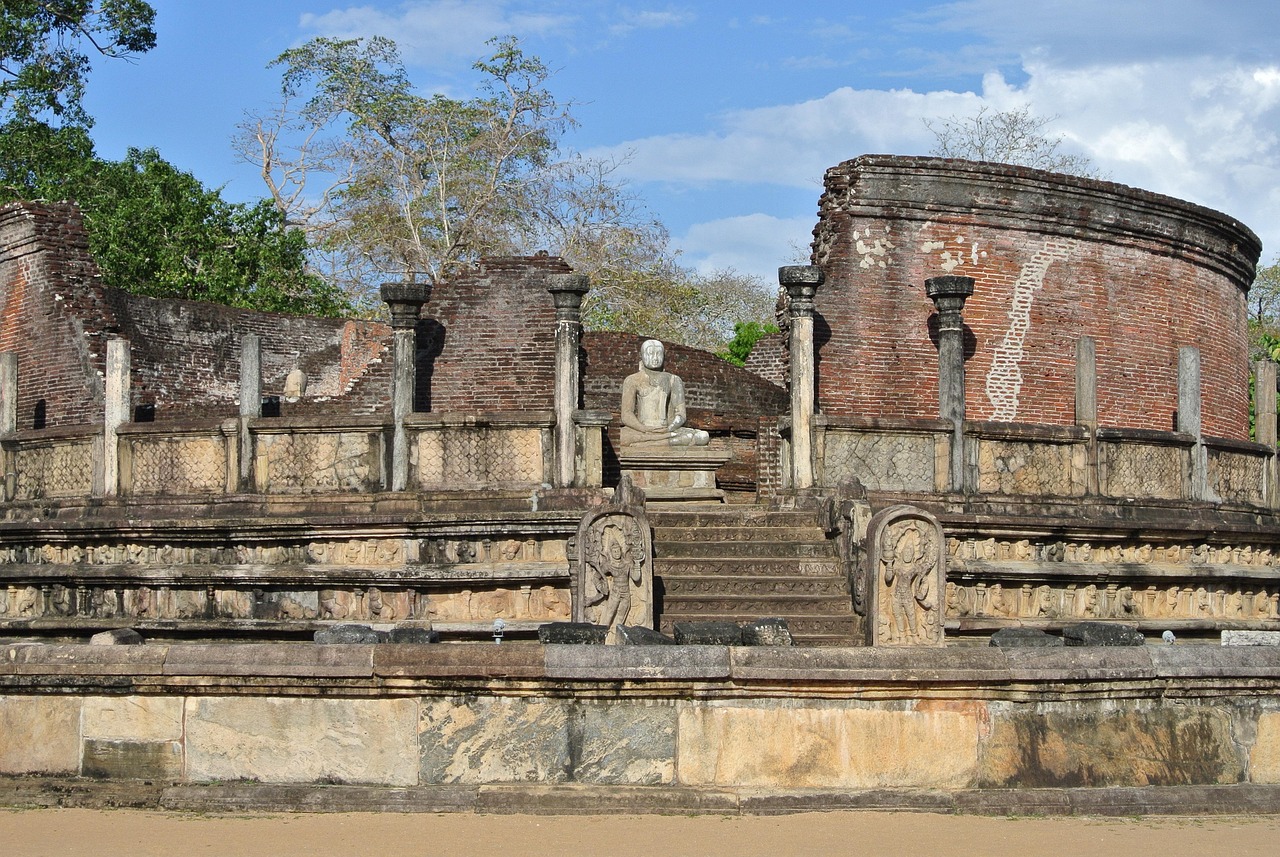
This month suits travellers interested in combining beaches with cultural touring. Wildlife viewing remains steady, especially in Yala. If you’re into cultural events, a major celebration called the Maha Shivaratri festival happens in early March. Weather on the east coast also continues to improve, making March a transition month for more travel.
April
April is a shoulder month and marks the shift between monsoons. The weather can be mixed, with short rain showers across different regions. Heat levels peak, especially in inland areas.
Despite this, April has advantages. Fewer tourists mean better availability and value. The Sinhala and Tamil New Year celebration takes place in mid-April, bringing with it local colour and fun. Beach time is best enjoyed during this period, especially in popular spots like Unawatuna and Hikkaduwa.
May
May signals the start of the southwest monsoon. The west and south coasts see more rain, and seas can be rough. Beach conditions in these areas are less reliable.
The east coast begins its best season in May. Trincomalee and Pasikuda enjoy sunny days and calm water. You can visit cultural sites in Trincomalee or enjoy waterside activities. For total relaxation by the beach, Pasikuda comes highly recommended. You can also go exploring wildlife parks in the east and the north.
June
June is wet in the southwest and hill country, though rain often falls in bursts. Landscapes turn lush, and waterfalls are at their best.
The east coast shines during this month. It’s a great time for beach holidays, snorkelling, and diving. Surf conditions are better in Arugam Bay, making it a draw for surfers from around the world.
July
July follows a similar pattern to June. The southwest stays wet, but travel is still possible with proper planning. Hill country views can be misty, which some travellers enjoy.
The east coast remains dry and sunny. This is peak season for Arugam Bay surfing. You can also consider wildlife viewing at the Minneriya National Park. During this month, you’re sure to witness large elephant gatherings and other wildlife near water sources.
August
August continues the east coast dry season. Beach conditions remain excellent, and underwater visibility is high. Visits to Cultural Triangle sites like Anuradhapura, Sigiriya, Dambulla, and Kandy are popular in August. However, remember that the daytime heat can be intense, so stay hydrated.
In the southwest, rain continues but is manageable. Many Australians travel to Sri Lanka during this period, as it coincides with school holidays, so book ahead.
September
September marks another weather transition. The east coast stays mostly dry early in the month, while the southwest begins to see improving conditions towards the end.
Crowds thin out in September, making it a good month for travellers seeking quieter experiences. Wildlife viewing is ideal, and trekking routes reopen as the rain eases.
October
October is the wettest and most unpredictable month. Inter-monsoon rains can affect many regions, though usually not all at once. Short, heavy showers are common.
This month suits flexible travellers. Prices are lower, and popular sites are less crowded. Cultural sightseeing can work well when planned around the rainy weather.
November
November brings the northeast monsoon. The east and north become wetter, while the west and south start to dry out again.
Beach conditions improve on the southwest coast. This is a good time for early-season whale watching and hill country travel. Rainfall is still possible, especially in the first half of November. The latter half of the month often comes with clear blue skies.
December
December is a favourite month for Australians escaping the summer heat at home. The west and south coasts enjoy dry weather and calm seas. Beach resorts are busy, especially around Christmas.
The east coast may still see rain early in the month. Cultural sites and wildlife parks remain accessible. However, it may start to get a little crowded late in December as the peak season nears. Booking early is essential.
See? After going over our month-by-month guide, you’re in a better position to decide on the best time to visit Sri Lanka.
Practical Tips for Planning Your Trip to Sri Lanka
Besides the importance of deciding on the best time to visit Sri Lanka, packing smart also makes a big difference. Lightweight clothing suits year-round travel on the island. Add a light rain jacket if you’re travelling during the monsoon months. Good walking shoes will make visits to cultural sites and hikes more comfortable.
Book accommodation early if you intend to travel between December and March or during Australian school holidays. Trains and private drivers are best secured in advance during peak season.
Pay attention to sea conditions. Strong currents can appear quickly during the monsoon seasons in Sri Lanka, especially on affected coasts. Always follow local advice. For hiking, check weather updates and start early to avoid the heat. In wildlife parks, follow rules closely and visit only with licensed guides.
So, What Is the Best Time of Year to Visit Sri Lanka?
The best time to visit Sri Lanka depends on your priorities. Thanks to its split climate, Sri Lanka offers reasonably good travel conditions year-round if you plan by region.
Beach lovers can switch coasts based on Sri Lanka’s seasons. Wildlife- and culture-focused trips remain accessible in most months. For Australians, this flexibility makes Sri Lanka a rewarding choice at almost any time of year.
Ready to go to Sri Lanka?
With thoughtful planning and our help at Click and Trip, Sri Lanka never disappoints.


